In the months before Aiden’s diagnosis, something just didn’t feel right. Once a thriving and energetic toddler, he began to show signs that, at first, seemed minor—but his parents knew better. It was the end of the COVID era, and Aiden, who had rarely been ill, suddenly came down with two back-to-back upper respiratory infections. One episode landed him in the emergency room for breathing treatments. Not long after, while giving him a bath, his parents noticed several swollen lymph nodes at the back of his head. Doctors reassured them it was just a response to recent illness.
Then came Christmas Day, 2021. Aiden slipped on a piece of wrapping paper and fell. From that moment on, he started to limp. X-rays showed nothing concerning, and the limp was chalked up to a benign condition—viral toxic synovitis. But the limp didn’t go away, and soon their once-active two-and-a-half-year-old was unwilling to climb stairs on his own. Not only that, but the swollen lymph nodes had returned.
Both of Aiden’s parents are physician assistants. Their concern deepened. They sat down and wrote an email to Aiden’s pediatrician, outlining everything they had observed and requesting blood work. They were seen the next day, a Friday. The labs were drawn “just for reassurance.”
That night, a snowstorm blanketed their town. Aiden, who typically disliked the cold, insisted on helping his mom shovel. He lasted just a few minutes before going back inside. Shortly afterward, the family’s world turned upside down.
An alert came through: Aiden’s lab results were in. His parents opened them together, sitting side by side in the bedroom. White blood cells—high. Platelets—low. Red cells—low. Then came the word that stopped them in their tracks: blasts — 68%. They immediately called a close friend who worked in pediatric hematology/oncology. “Please tell me you can find blasts in something other than leukemia,” they pleaded. Her reply came through, breaking: “Please tell me it’s not Aiden.”
The next hours were a blur. Aiden was rushed to the emergency room. Tests were repeated, and though his parents already knew in their hearts what was coming, they hoped for a mistake. But by that night, their worst fears were confirmed: Aiden had leukemia.
From that moment on, life was divided into “before” and “after.”
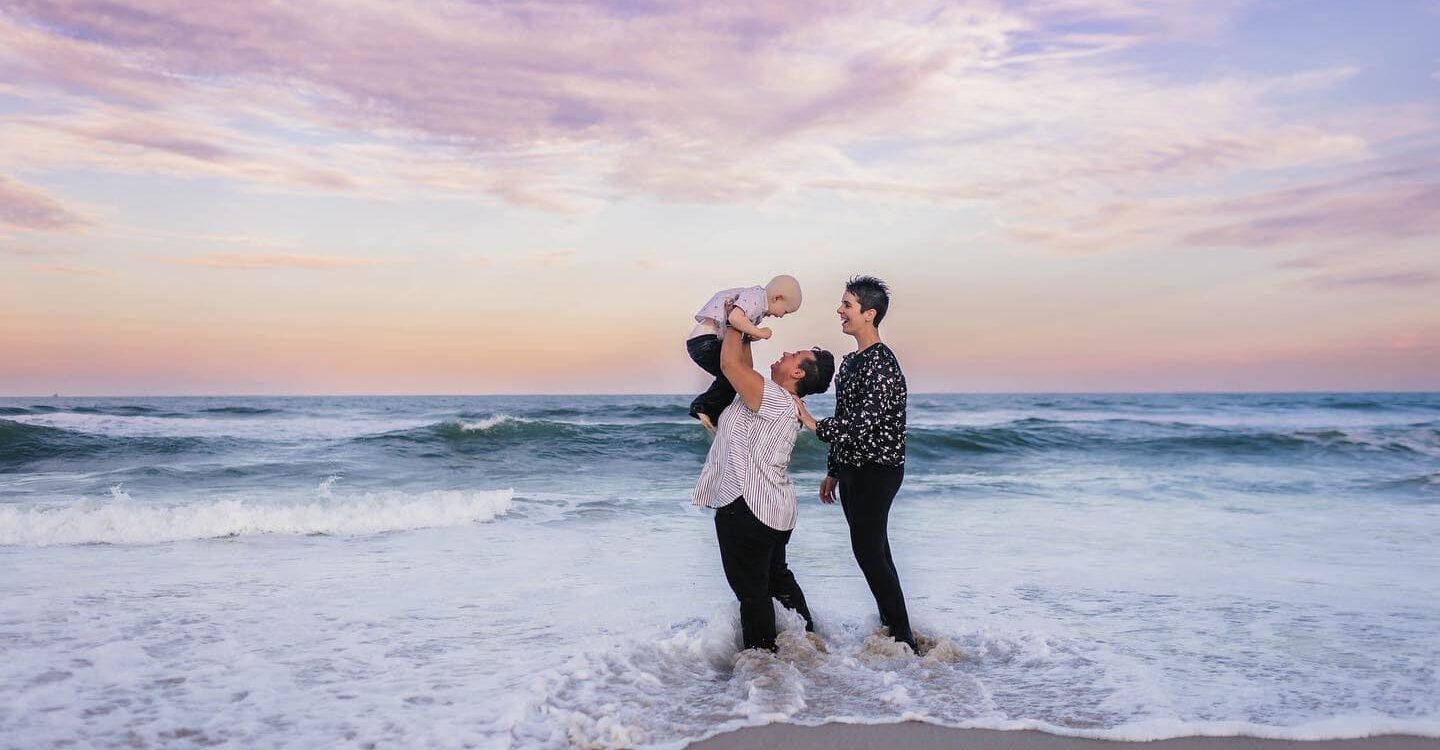
Aiden was admitted immediately. A pediatric oncology attending met them in the smallest room they’d ever seen and said simply, “This will be a long road, and at least one of you is going to have to quit your job.” They decided Danielle would keep working full-time while her wife, Nikki, stepped back to manage care.
At the time, COVID protocols were still strict. Only one parent was allowed with Aiden at a time, with one switch per week. As a “courtesy,” they were allowed to stay together that first night. It would be weeks before they were all in the same room again. The following morning, Aiden underwent surgery for a PICC line, his first bone marrow biopsy, and a lumbar puncture. Chemotherapy and high-dose steroids began that very day.
The early weeks were devastating. Their cheerful, vivacious toddler was fading before their eyes. He could no longer walk, or even sit up. The steroids altered his appearance, and the chemo sapped his strength. When his port was finally placed and they got to go home, it felt like a small victory. But that relief was short-lived.
Just days later, they noticed something wasn’t right. The surgical site hadn’t been properly closed. Aiden developed sepsis and was readmitted for nearly another month. It was in those terrifying, sleep-deprived days that his parents learned to advocate more fiercely than ever before.
Despite the pain, the isolation, and the uncertainty, Aiden found joy. When he entered the maintenance phase of treatment, his family made a choice: they wouldn’t just survive—they would actively live, and choose joy whenever we could. That’s when they took his wish trip to Disney World, about a year after diagnosis. Aiden had adored Mickey Mouse since before he could talk, and meeting him in person was pure magic. That moment lit a spark.
From then on, they packed their days with outdoor adventures—visiting every zoo and amusement park they could find. These weren’t just fun outings. They were acts of defiance. Reclamation. A way of giving Aiden back the childhood that cancer had tried to steal.
And Aiden—Aiden was the light in all of it. He is known for saying, “This is the best day ever!” whether he’s hugging Mickey, running at the park, or feeding goats at the zoo. His joy is infectious, and his zest for life unwavering.
Aiden’s journey hasn’t been easy. There were many setbacks, but also profound gifts. One such moment came unexpectedly—in a hospital pantry at 3 a.m., during a second inpatient stay. Danielle had gone to warm up food, and returned whispering, “I think you need to go talk to the woman in the pantry.” That conversation sparked a friendship that would become a lifeline.
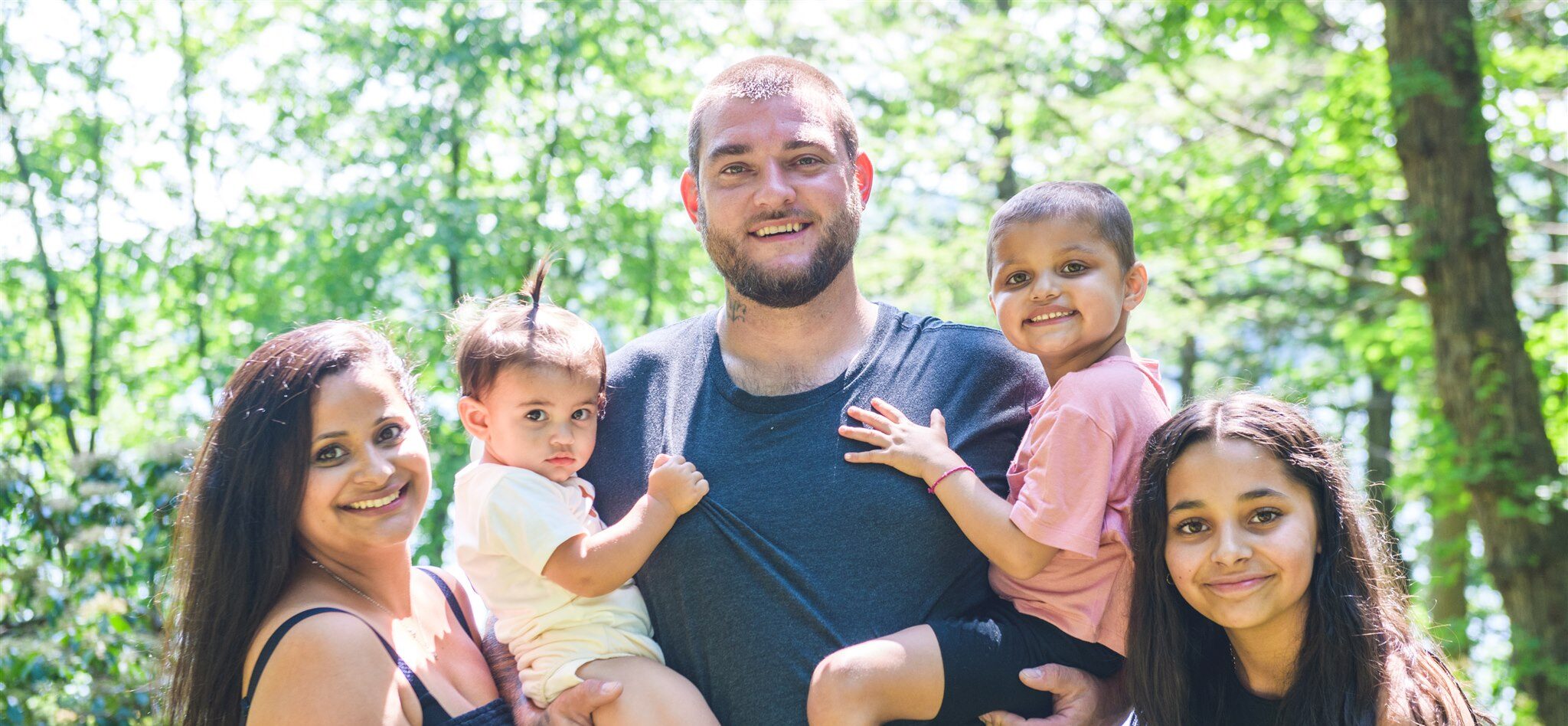
Their kids—both bald, both battling—were soon side by side in hospital beds with superhero capes tied to their shoulders. Together, their families weathered the storm of treatment, and from it emerged a community.
That community grew when Aiden began attending The Morgan Center, a preschool for children with cancer. There, Aiden didn’t just learn and play—he thrived. Surrounded by peers who understood his journey, he found belonging. His parents found support. They were no longer alone.
What makes Aiden unique isn’t just his diagnosis or the battle he’s fought—it’s who he is. From the moment he first smiled at five weeks old, he has radiated joy. Curious, enthusiastic, and fiercely compassionate, Aiden is the kind of child who stops mid-play to ask why the moon changes shapes or how long the biggest lizard in the world is. He adores his family, offers hugs freely, and holds hands with those he loves most. He’s deeply connected to animals—and obsessed with dinosaurs, especially the lesser-known species (which he will gladly correct you on). His beloved “stuffies” go with him everywhere, a portable piece of comfort and security.
Through all of it—procedures, pain, long hospital stays—Aiden has never lost his smile.
Recently, his parents have found joy in the milestones that once felt impossible. Watching him run with other kids. Seeing him climb the playground alone. Laughing with friends. Riding roller coasters. Starting real school. These are not small things. For a family who’s watched their child struggle to sit up, they are everything.
What surprised them most wasn’t just Aiden’s resilience, but the stark reality of how little support exists for families like theirs. The smiling commercials for pediatric cancer, with bright playrooms and full support teams, didn’t reflect their lived experience. What they got was a folder of flyers, revolving-door social workers, and an overwhelming sense that it was up to them to figure it all out. The emotional toll, the trauma, the life after treatment—none of it was discussed.
But in the spaces left empty by the system, they found something even more powerful: each other. Their community. The families they met in hospitals, preschools, and retreats.
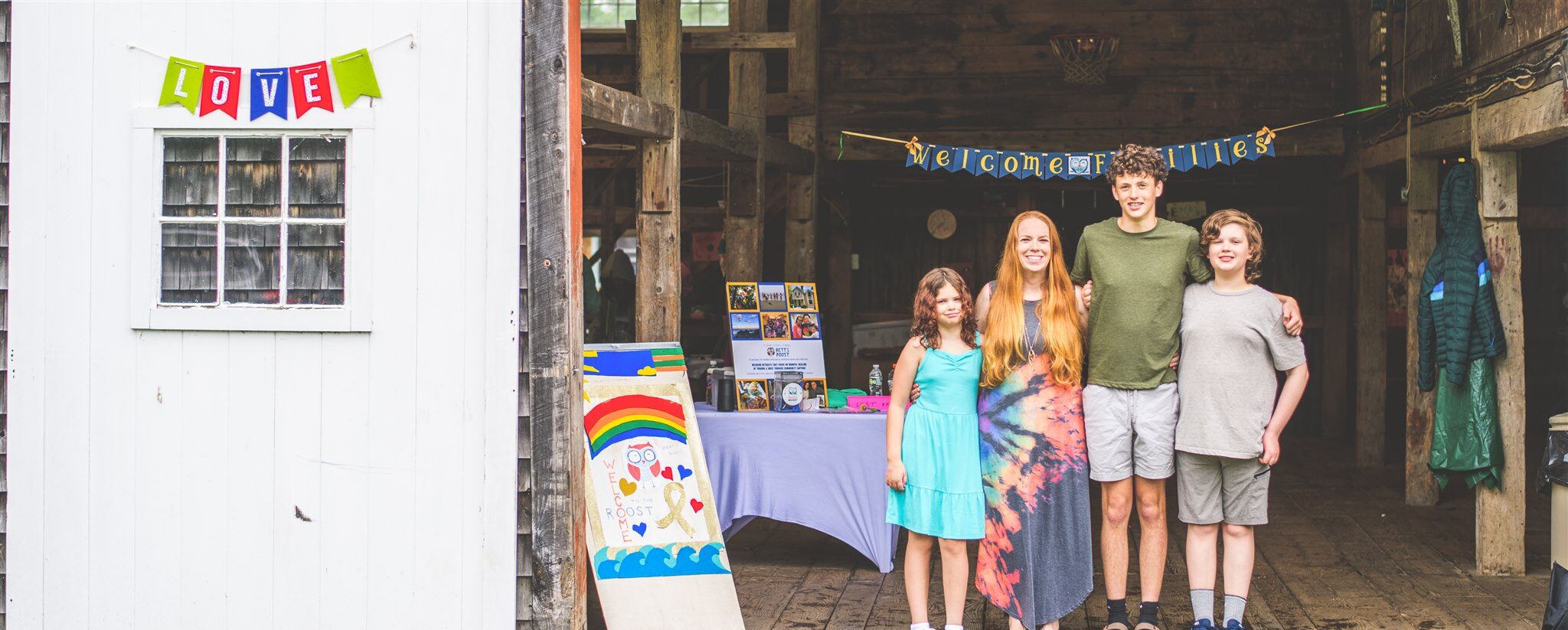
One such retreat was hosted by Rett’s Roost. There, they found the space to breathe. To process. To heal—not just as caregivers, but as people. Surrounded by others who truly understood, they felt seen. The retreat gave them something they’d been missing: permission to reflect, to feel, and to begin again.
Today, Aiden continues to move forward. His light is unshakable, his spirit a constant reminder that even in the darkest chapters, joy can be found. His story is one of resilience, but also of connection—how, in the midst of fear and pain, love and community can shine the brightest.